Transporting cannabis isn’t just about route planning—it’s about understanding the unique needs of each product type. From fragile flower to potent concentrates, every category demands its own shipping strategy to guarantee safety, compliance, and product integrity.
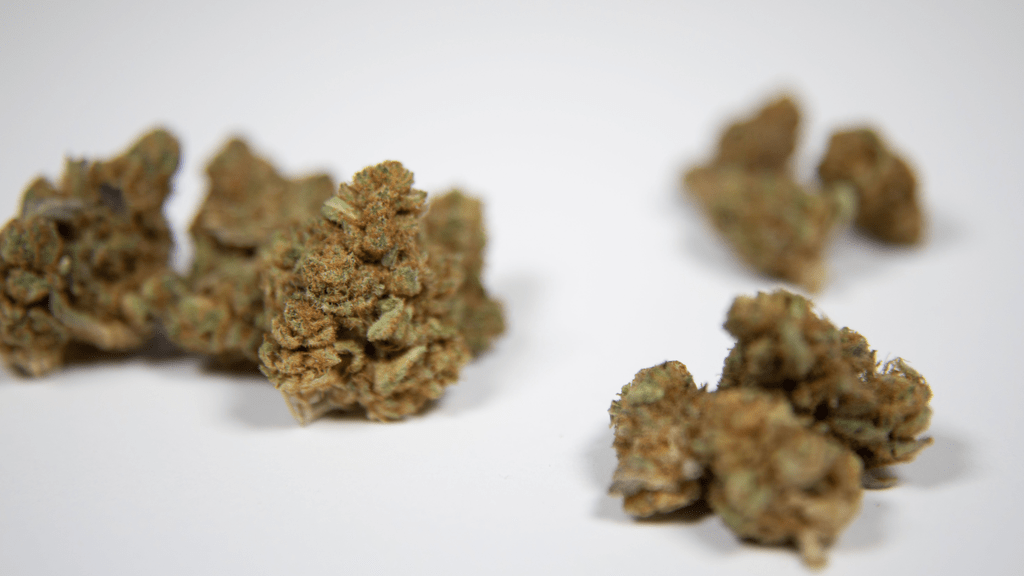
1. Flower (Dried Buds)
Key Considerations:
- Fragile and prone to damage.
- Emits strong odors.
Shipping Tips:
- Use rigid, moisture-proof containers like pop-top vials or jars.
- Seal in smell-proof outer packaging.
- Cushion inside padded boxes to prevent breakage.
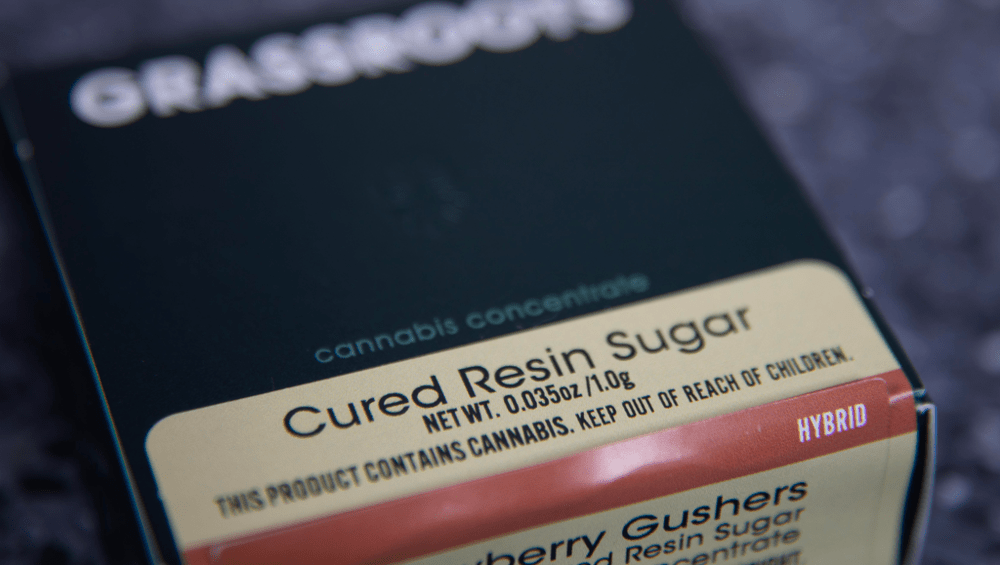
2. Concentrates (Wax, Shatter, Oil)
Key Considerations:
- Sensitive to temperature fluctuations.
- High potency, requiring clear labeling.
Shipping Tips:
- Ship with thermal insulation or cooling packs if temperatures exceed 77°F.
- Use tamper-evident and child-resistant packaging.
3. Edibles (Gummies, Chocolates, Beverages)
Key Considerations:
- Must comply with food-grade regulations.
- Vulnerable to melting and spoilage.
Shipping Tips:
- Insulate packaging for heat-sensitive products like chocolates.
- Use opaque, tamper-evident, and child-resistant containers.
- Clearly label dosage and THC content.
4. Tinctures & Oils
Key Considerations:
- Risk of leaks or breakage.
- Require food-grade packaging and accurate dosage labeling.
Shipping Tips:
- Use leak-proof, upright bottles.
- Double-bag and cushion for added protection.
5. Topicals (Balms, Lotions, Patches)
Key Considerations:
- Can melt or separate in high heat.
- Non-intoxicating but still regulated.
Shipping Tips:
- Use airtight containers with secure lids.
- Insulate to maintain formulation integrity.
- Store separately from ingestible products.
Why Separation of Product Types Matters
- Prevents product damage from incompatible packaging.
- Avoids cross-contamination between oils, flower, and edibles.
- Supports easier inspections, labeling, and compliance checks.
Best Practices by Product Type
- Flower
- Use smell-proof, rigid containers (glass or plastic jars).
- Cushion inside boxes to avoid crushing.
- Clearly label strain name, weight, and THC content.
- Concentrates
- Seal in tamper-evident containers.
- Insulate during warmer months to prevent melting.
- Separate from other product types to prevent leaks.
- Edibles
- Package in food-safe, child-resistant pouches.
- Use thermal insulation if shipping heat-sensitive items.
- Label with THC content per serving and total dosage.
- Tinctures & Oils
- Ship upright in leak-proof bottles.
- Add bubble wrap or molded foam for glass bottles.
- Separate from edibles and flower to avoid damage.
- Topicals
- Store in heat-resistant containers.
- Insulate to avoid melting or texture separation.
- Keep apart from consumables to ensure safety and compliance.
In Summary
Different cannabis product types demand different shipping methods. Each category—whether it’s flower, edibles, concentrates, tinctures, or topicals—has unique packaging, temperature, and regulatory needs. Proper separation, thoughtful insulation, and airtight packaging not only ensure compliance but also protect product integrity during transit. For distributors, mastering these differences is essential to operating safely and efficiently in today’s regulated cannabis supply chain.